Five Beautiful Garden Plants That Lack Fragrance, and What to Pair Them With Instead
A guide to building a more sensory garden, where what you smell is as considered as what you see.
There is a particular pleasure in walking into a garden that smells as lovely as it looks. The first hint of jasmine on a warm evening. The soft, citrus drift of mock orange after rain. The unexpected sweetness of daphne in late winter, when the rest of the garden has yet to wake.
A beautiful garden is not only one that is admired from a distance. It is one that draws you in: to linger, to breathe deeply, and to find yourself entirely at ease within it. And yet many of our most photographed garden plants, for all their visual beauty, offer surprisingly little in the way of scent.
At Crown Pavilions, we spend a great deal of time thinking about how outdoor spaces are experienced, not only how they are arranged. Our head of interior design and landscaping, Natalie Derosa, has designed gardens for RHS flower shows and consulted on countless outdoor living projects centred around our gazebos and garden rooms. Here, she shares five much-loved garden plants that lack fragrance, and the considered companions to plant alongside them, so your garden flourishes for every sense, not just one.
1. Hydrangeas

For all their architectural beauty, most varieties of hydrangea offer little in the way of scent, a small disappointment in a plant otherwise so generous in form and colour.
Plant alongside: Mock orange (Philadelphus)
"Hydrangeas are one of my favourite plants," says Natalie. "But I'll often plant fragrant flowers like mock orange nearby because the citrusy scent works beautifully alongside hydrangeas, and creates a much more sensory feel in an outdoor garden."
The pairing works as beautifully visually as it does scentually: the soft cloud of hydrangea blooms set against the crisp, white star-shaped flowers of mock orange.
2. Tulips

Tulips bring drama, colour, and architectural rhythm to a spring garden, but offer almost nothing to the nose.
Plant alongside: Hyacinths
"I absolutely love tulips visually, especially in more architectural gardens," Natalie explains. "But they don't really add fragrance. I often mix in hyacinths because the scent instantly makes a garden feel more welcoming in spring."
A small note worth keeping: a few well-placed hyacinths near a doorway, a patio, or the entrance to a gazebo will scent the air for visitors arriving and departing, a quiet, considered touch that lingers in the memory.
3. Camellias

Glossy, elegant, and effortlessly refined, but, like so many of the showiest garden plants, almost entirely unscented.
Plant alongside: Gardenias (where climate allows)
"Camellias are gorgeous and very elegant, but again, they're not a plant I'd personally choose for scent," says Natalie. "I prefer gardenias if the climate allows, because they have that same glossy, luxurious look but with a beautiful perfume. I especially love using them around outdoor entertaining spaces."
It is precisely this kind of pairing that lifts a garden from beautiful to truly memorable. The visual elegance of camellias, softened by the rich evening scent of gardenia, becomes an experience worth lingering over.
4. Boxwood

A classic of formal British gardens. Boxwood gives structure, definition, and a quietly luxurious sense of order, but its scent, where it exists, is mostly enjoyed by those who find it less than pleasant.
Plant alongside: Lavender
"I tend to plant lavender nearby," says Natalie, "because you still get definition and shape, but there's also movement, softness, and fragrance when you brush past it."
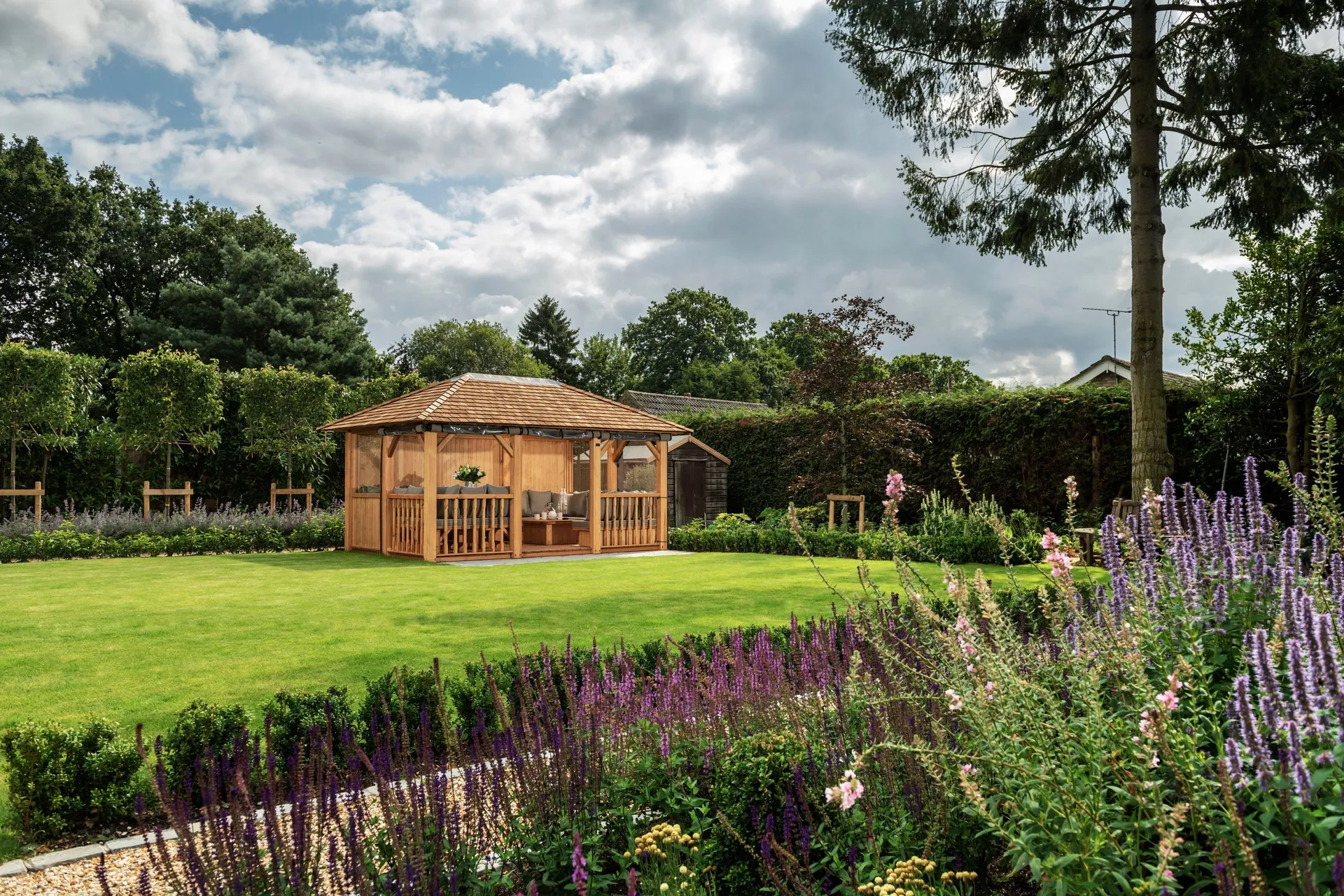
Lavender beside a boxwood hedge is, to our mind, one of the most quietly British garden pairings there is. Particularly lovely planted along the pathway to a summer house or gazebo, where the act of walking through brings the fragrance to life.
5. Laurustinus

Reliable, structural, and useful, but rarely the plant a visitor remembers.
Plant alongside: Daphne
"Laurustinus is reliable and useful structurally, but not particularly memorable for its scent," Natalie observes. "Daphne, on the other hand, is one of those plants people always stop and enquire about because the fragrance is so strong, especially in late winter, when you're not expecting it."
Daphne is the kind of plant that rewards careful placement. Set it close to a path, a seating area, or near the doorway of a garden room, and it becomes a small ceremony every time someone passes by.
A Garden for Every Sense
A well-considered garden engages more than just the eye. The most memorable outdoor spaces are those where every sense is gently invited in: the warmth of timber underfoot in a summer house, the soft hush of leaves in the breeze, the lingering scent of jasmine drifting through an open door at dusk.

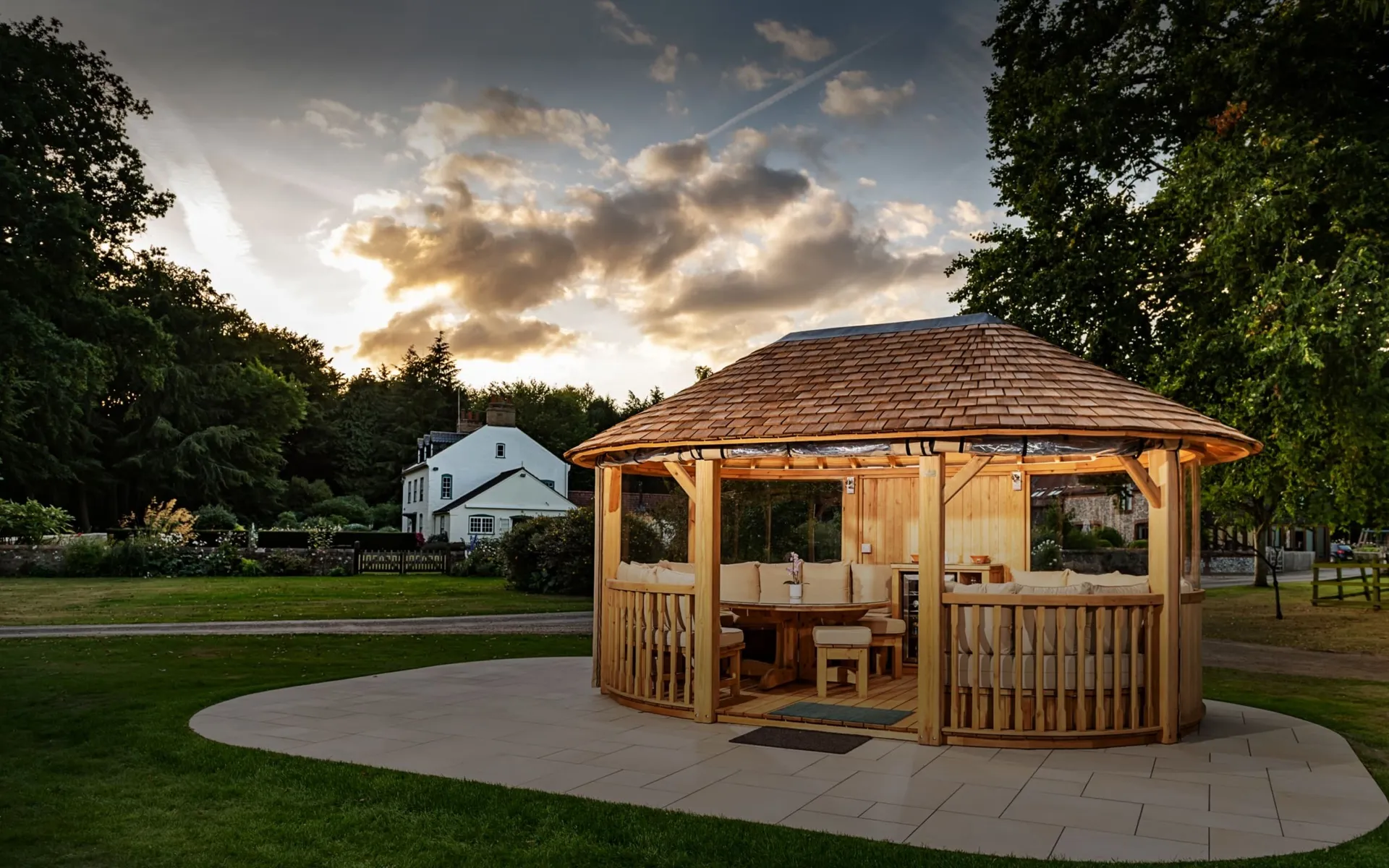
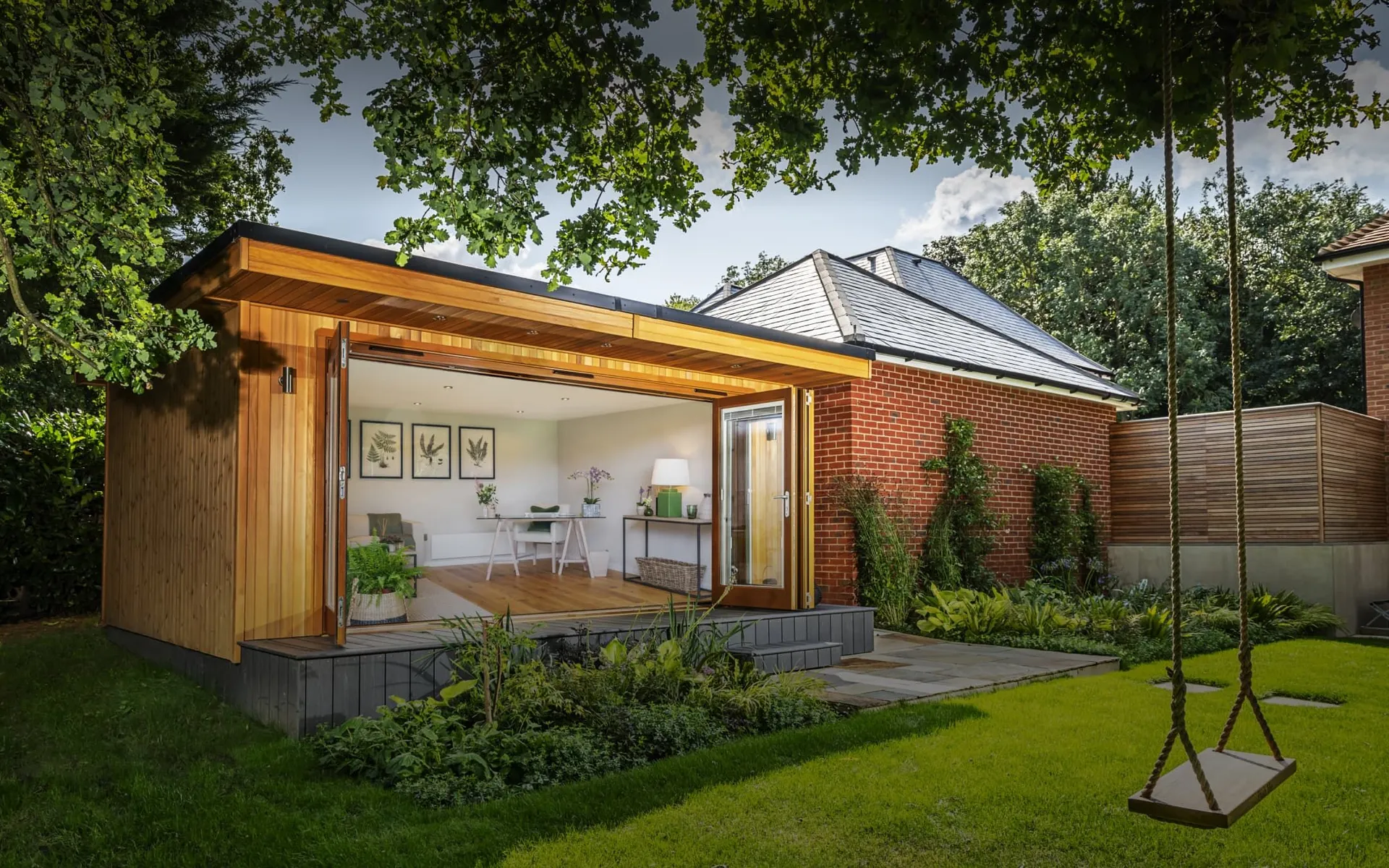
At Crown Pavilions, this is exactly the thinking that guides everything we do. Our handcrafted gazebos, garden rooms, and summer houses are designed to sit beautifully within a planted landscape: to become part of the garden, not apart from it. And the right planting around them is what transforms a beautiful structure into a truly immersive outdoor experience.
If you are planning a garden to enjoy in every season, take a moment to consider not only what you would like to see, but what you would like to smell, feel, and remember.
This article draws on insights from Natalie Derosa, Crown Pavilions' head of interior design and landscaping, as originally featured in Livingetc.